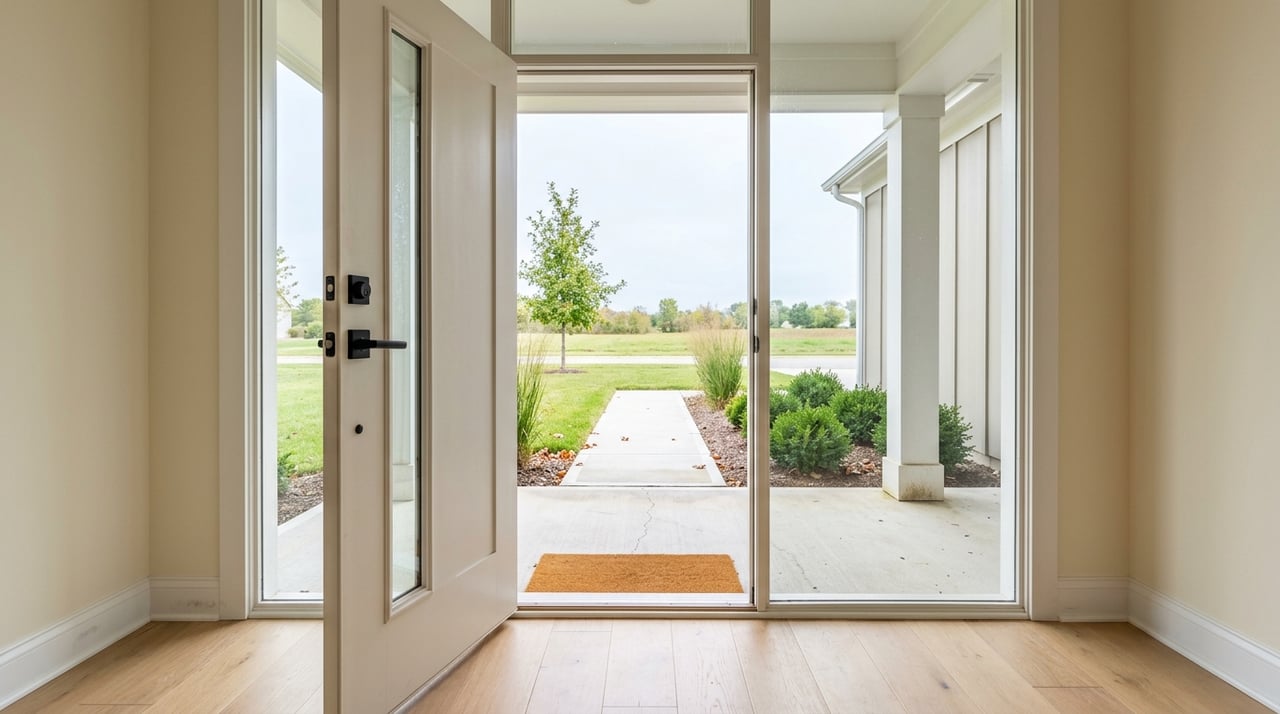
Trying to buy and sell at the same time in Moore can feel like a puzzle with moving pieces that all have to line up at once. You may be wondering whether to list first, shop first, or try to make both happen together without ending up with two homes or nowhere to go. The good news is that with a clear plan, you can reduce stress, protect your timing, and make smarter decisions in an active local market. Let’s dive in.
Why timing matters in Moore
If you are making a same-time move in Moore, timing is not a small detail. It is often the difference between a smooth transition and a scramble for backup housing, storage, or last-minute financing adjustments.
According to Redfin's Moore housing market data, the median sale price was $235,000 in March 2026, with 55 median days on market and 89 homes sold. MLSOK's 2025 annual report also showed 905 closed sales, 2.1 months of supply, 46 days on market, 98.7% of list price received, and 8.6 showings per listing, based on the 2025 MLSOK Annual Report. While those sources use different timeframes and methods, they point to the same general reality: a well-priced home in Moore can still move in roughly one to two months.
That matters because a market with steady activity can create pressure on both sides of your move. Your current home may attract interest quickly, but the home you want to buy may also face competition, especially during busier parts of the year.
Start with one key question
Before you tour homes or choose a list date, ask yourself one simple question: Do you need the money from your current home to buy the next one?
For many homeowners, that answer is yes. If your down payment or closing funds depend on your sale proceeds, the safest path is usually to understand your likely net proceeds first and build your plan from there.
The Consumer Financial Protection Bureau recommends factoring in repairs, closing costs, moving costs, and other ownership expenses before you buy. CFPB also notes that closing costs typically run 2% to 5% of the purchase price before the down payment, which is important to remember when you are counting on sale proceeds to fund your next move.
The three main ways to buy and sell together
There is no one-size-fits-all solution. Most same-time moves in Moore fall into three practical paths.
Sell first, then buy
This is often the most conservative and financially clear option. The CFPB says homeowners normally try to sell their home first before buying another one, and that approach can help you understand exactly how much money you will have available for the next purchase.
If you are using sale proceeds for the next home, Fannie Mae's selling guidance and related loan documentation rules make it clear that those funds need to be documented before or at the same time as your new-home settlement. In plain terms, if your current home is helping fund the next one, your timeline needs to be tightly coordinated.
The biggest advantage here is certainty. The biggest challenge is that you may need temporary housing or storage if your home sells before your next purchase is ready.
Buy with a home-sale contingency
A home-sale contingency means your purchase depends on selling your current home within a set time. As Freddie Mac explains in its contingency overview, if your home does not sell within that timeframe, the contract can be voided and earnest money may be returned.
This can be a helpful safety net if you do not want to own two homes at once. But there is a tradeoff. Freddie Mac also notes that the seller can usually keep marketing the property while your contingency is open, which means you could lose the home if another buyer comes along with a stronger offer structure.
In a market like Moore, where inventory has been relatively tight and showing activity has remained healthy, a contingent offer may protect you, but it may not be the most competitive route.
Use temporary housing or storage
Sometimes the cleanest move is not a perfect handoff. It is a short gap with a backup plan.
Freddie Mac notes that short-term housing and storage costs are common when there is a gap between homes. This option can reduce pressure if your current home sells before your next purchase is ready, or if you want more time to buy carefully instead of rushing into a decision.
This path is not always your first choice, but it can give you flexibility and keep you from making a stressed purchase just to avoid inconvenience.
A realistic sequence for Moore homeowners
If you want a calmer process, it helps to follow a clear order of operations.
Step 1: Estimate your net proceeds
Start by figuring out what your current home is likely to sell for and what you will realistically net after expenses. That number shapes everything from your price range to your down payment strategy.
You will want to account for likely prep costs, closing costs, moving expenses, and any temporary housing or storage if needed. If your purchase depends on the proceeds, those funds must be documented as part of the transaction process.
Step 2: Prepare your current home early
One of the biggest mistakes in a same-time move is waiting too long to get the current home ready. If your home is not show-ready when you start shopping seriously, your timeline can tighten fast.
Fannie Mae recommends preparing your home, reviewing local market conditions, and understanding that homes that sit longer can become harder to sell. In Moore, where MLSOK reported 8.6 showings per listing and 98.7% of list price received in 2025, pricing and presentation still matter.
Step 3: Choose your fallback plan
Before you submit an offer on another home, decide what happens if timing does not line up perfectly. This is where many moves become stressful because the backup plan was never discussed until a deadline was already close.
Your fallback plan may be:
- a home-sale contingency
- temporary housing and storage
- an extended closing timeline
- a post-closing occupancy or rent-back arrangement
Not every option fits every situation, but choosing one early gives you more control.
Step 4: Coordinate dates early
Once both transactions are underway, the most important task is managing the timeline. Do not assume the dates will naturally line up on their own.
The CFPB explains what happens at closing and notes that the loan closing and home purchase closing typically happen at the same time. If your Moore move depends on sale proceeds from your current home, your lender and title company need those dates aligned early, not at the last minute.
Common delays to expect
Even well-planned same-time moves can hit delays. The goal is not to avoid every issue. It is to expect the common ones and have a plan.
According to Freddie Mac, the usual delay points include:
- inspection issues
- appraisal timing or value questions
- mortgage approval delays
- the sale of your current home
Any one of those can shift a closing date enough to create an overlap or a gap. That is why process management matters so much when you are both buying and selling.
Budget for more than the down payment
A same-time move often costs more than people expect. You are not just planning for a purchase. You are planning for two transactions that may overlap.
At minimum, you should budget for:
- purchase closing costs
- moving expenses
- repairs or prep work on your current home
- storage if needed
- short-term housing if needed
The CFPB says closing costs typically run 2% to 5% of the purchase price before the down payment. Freddie Mac also specifically points out that temporary housing and storage may be part of the real cost of moving.
What this means for your Moore move
The simplest takeaway is this: do not improvise your way through a same-time move. In Moore, local market data suggests homes can move in a matter of weeks when they are priced and presented well, but that same activity can make timing harder if you wait too long to build a plan.
A strong strategy usually starts with knowing your likely sale proceeds, preparing your current home early, choosing a backup plan, and coordinating dates well before closing week. That kind of preparation can help you move with more confidence and a lot less chaos.
If you are planning a move in Moore and want a calm, detailed strategy for both sides of the transaction, Allie Webb can help you map out the timing, pricing, and next steps with less stress.
FAQs
How does buying and selling at the same time work in Moore, OK?
- It usually starts with estimating your sale proceeds, preparing your current home, choosing a backup plan for timing gaps, and coordinating both closings early with your lender and title company.
Is selling first the safest option for a Moore homeowner?
- In many cases, yes, especially if you need equity from your current home for the next down payment or closing costs.
What is a home-sale contingency when buying in Moore?
- It is a contract term that makes your purchase dependent on selling your current home within a set timeframe, though the seller can often keep marketing the property during that period.
What costs should I plan for when buying and selling at the same time in Moore?
- You should plan for purchase closing costs, moving expenses, possible repairs, and potentially storage or temporary housing if the dates do not line up perfectly.
What usually delays a same-time move in Moore, OK?
- Common delays include inspections, appraisals, mortgage approval, and any slowdown in the sale of your current home.
When should I prepare my current home if I want to buy and sell in Moore?
- Ideally, before you shop aggressively, so your home is ready to list and show quickly once you are serious about making an offer on the next property.