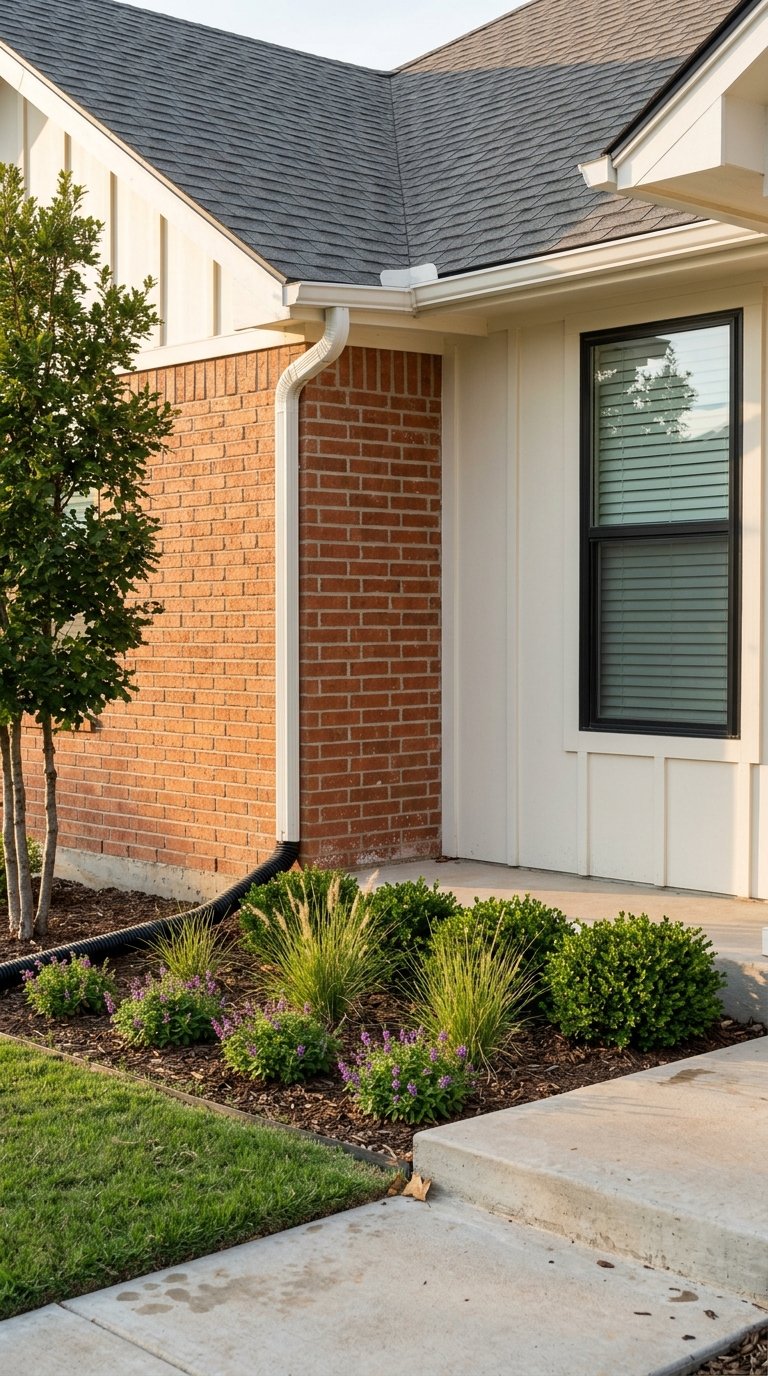
If the thought of a buyer’s inspection makes your stomach drop, you are not alone. For many Moore sellers, inspections feel like the moment where small concerns suddenly become big negotiations. The good news is that with the right prep, clear records, and a steady strategy, you can go into this stage with more confidence and fewer surprises. Let’s dive in.
Why inspections matter in Moore
In Moore, inspections often carry extra weight because the housing stock spans several generations. The City of Moore’s 2025 consolidated plan reports that 40% of owner-occupied homes were built from 1950 to 1979, 23% from 1980 to 1999, and 36% in 2000 or later.
That mix means buyers and inspectors may look closely at maintenance history, prior repairs, and signs of deferred upkeep. Even when a home shows well, buyers still want to understand how major systems and past issues have been handled over time.
Moore also has a well-known severe weather history. National Weather Service records for Moore include major tornado events in 1999, 2003, and 2013, and the Oklahoma Insurance Department reports that 49.7% of Oklahoma roofs were impacted by severe hail over the prior four years.
For you as a seller, that makes roof condition, exterior wear, and documentation of storm-related repairs especially important. Buyers may be less focused on cosmetic updates and more focused on whether the home has been properly maintained after weather events.
What a buyer’s inspection covers
In Oklahoma, a home inspection is a visual examination of the readily accessible parts of a property. Under Oklahoma home-inspection rules, that commonly includes structural components, lot drainage, the roof, electrical, plumbing, and heating and air-conditioning systems.
That means an inspector is usually looking at the parts of your home that affect function, safety, and ongoing maintenance. They are not there to judge style choices, but they will note visible conditions that may need attention or further review.
A general inspection can also lead to specialty inspections. Oklahoma contract guidance allows inspections by licensed home inspectors, licensed termite inspectors, architects, engineers, and other qualified professionals when a specific concern comes up.
In real life, that often means one note in the inspection report can lead to follow-up from a roofer, plumber, electrician, HVAC contractor, or foundation specialist. Knowing that ahead of time can help you stay calm if the first report raises questions.
Common inspection issues in Moore
Roof and storm damage
Roof condition is one of the biggest inspection topics sellers should expect in Moore. The Oklahoma Insurance Department says hail damage is the most common homeowners insurance claim type, so buyers may ask for roof age, replacement records, recent repair invoices, or insurance claim documentation.
If your roof has been replaced or repaired after hail or wind, gather that paperwork early. Clear records can help show that the issue was addressed instead of leaving the buyer to wonder.
Foundation and drainage concerns
Oklahoma State University Extension notes that shrink-swell soils are common in many parts of Oklahoma and can crack foundations and walls. The same guidance explains that drainage problems are often tied to clay content and grading.
Because of that, inspectors may pay close attention to foundation cracks, uneven floors, sticking doors, and drainage around the home. Downspouts, grading, and runoff patterns may also come up, especially if the property has had landscaping changes or prior settlement repairs.
Not every crack means a major problem. Still, if you have records for foundation work or drainage improvements, having them ready can make the conversation much easier.
Termites and wood-destroying insects
Termite inspections are a routine part of many Oklahoma home sales. OSU Extension says sale-related termite inspections are completed on the official Oklahoma ODAFF-1 form, and the eastern subterranean termite exists throughout Oklahoma.
For sellers, this is not an unusual or alarming request. It is a standard part of due diligence, and buyers often want to know whether there has been past treatment, ongoing protection, or damage repair.
If you have termite treatment records, bait station agreements, annual renewals, or repair receipts, keep them together before your home goes under contract. That kind of preparation can prevent delays later.
Aging systems and prior repairs
In Moore’s older homes, inspectors may also notice aging systems, patched drywall, prior storm repairs, or cosmetic fixes that suggest a bigger issue may have existed in the past. That does not mean your sale is in trouble, but it does mean documentation matters.
When buyers see signs of previous work, they usually want to know what was done, who did it, and whether the problem was resolved. A clear paper trail often helps more than verbal explanations.
How to prepare before the inspection
A calm inspection period usually starts well before the inspector arrives. The goal is not to pretend your home is perfect. The goal is to make it easier for buyers to see that you have taken care of the property and handled past issues responsibly.
Update your disclosure carefully
Oklahoma seller-disclosure rules require sellers of one- or two-dwelling-unit residential properties to complete the disclosure form before an offer is accepted. If you learn of a new defect before acceptance, the form must be amended.
This is one of the most important steps in the process. Be accurate, be complete, and update the form if something changes. A clean, thoughtful disclosure helps set expectations and supports smoother negotiations later.
Gather your records early
Before listing or before the inspection period begins, collect as much supporting paperwork as you can. This is especially helpful in a market like Moore, where storm history and aging homes can lead to more buyer questions.
Useful records may include:
- Roof replacement invoices
- Storm repair receipts
- Insurance claim documentation
- Foundation or drainage repair records
- Termite treatment paperwork
- Warranty documents
- Permit records
- HVAC, plumbing, or electrical service receipts
You do not need a perfect file cabinet. You just need an organized set of records that helps answer common questions quickly.
Handle easy maintenance items
A general inspection is visual, so visible deferred maintenance can invite extra scrutiny. While the report may still note age-related wear, simple upkeep can make the home feel better cared for overall.
Before the inspection, it helps to:
- Replace burned-out light bulbs
- Change HVAC filters
- Make sure smoke detectors work
- Clean gutters if needed
- Confirm downspouts move water away from the home
- Address obvious leaks or drips
- Make utility areas accessible
These steps do not guarantee a perfect report, but they can reduce avoidable concerns.
What happens after the inspection
Once the buyer completes inspections, the next phase is usually negotiation. This is where many sellers get nervous, but a clear timeline and a calm response can go a long way.
The Oklahoma Real Estate Commission’s contract guidance says the buyer has a defined period to complete investigations, inspections, and reviews, then deliver a written list of items to be treated, repaired, or replaced. If the buyer does not act within the stated time, the buyer can forfeit the right to cancel and accept the property in its condition.
The same contract materials also explain that if the parties do not reach a written agreement on excess repair costs within the contract time, the contract becomes null and void and the earnest deposit is returned. In other words, deadlines matter.
How to respond to repair requests
Not every item on an inspection report deserves the same level of concern. Some issues are minor maintenance notes, while others affect function or may require a specialist’s opinion.
A good next step is to sort repair requests into a few categories:
- Items that are clearly minor or cosmetic
- Items that affect function or safety
- Items that need more evaluation from a qualified professional
- Items that were already repaired and can be backed up with documentation
When a specialist is needed, a written opinion is usually more helpful than a verbal promise. Oklahoma contract guidance allows qualified professionals to inspect specific concerns, so a roofer, engineer, electrician, plumber, or foundation specialist may help clarify whether an issue is active, serious, or already resolved.
Smart strategies for Moore sellers
In Moore, inspection success often comes down to preparation and communication. Buyers are not just looking for a clean house. They are looking for confidence.
A few practical strategies can help:
Lead with documentation
If your home has had roof work, storm repairs, termite treatment, or foundation improvements, share those records promptly when questions come up. Documentation can help reduce fear and keep negotiations grounded in facts.
Focus on meaningful issues
Buyers may submit a long inspection list, but not every note needs the same response. Staying focused on items that affect the home’s condition, function, or follow-up risk can help you negotiate more effectively.
Move quickly on specialist opinions
If there is a question about the roof, foundation, drainage, or a major system, getting a qualified professional involved early can save valuable contract time. A fast written opinion can keep a manageable issue from turning into a bigger unknown.
Keep the timeline front and center
Inspection and repair negotiations are time-sensitive in Oklahoma. Tracking deadlines carefully helps protect your position and keeps the transaction moving.
Why the right guidance matters
Inspections can feel personal, especially when a report points out issues in a home you have cared for. But this stage is usually less about perfection and more about clarity, documentation, and smart negotiation.
With a steady plan, you can stay focused on what matters, respond without panic, and avoid losing momentum over issues that can be explained or resolved. In a market like Moore, that kind of calm, organized approach can make a real difference.
If you are getting ready to sell in Moore and want a clear plan for pricing, prep, and inspection strategy, connect with Allie Webb for calm guidance and responsive support from start to finish.
FAQs
What does a home inspection usually cover for sellers in Moore?
- In Oklahoma, a buyer’s home inspection is a visual review of readily accessible areas and commonly includes structural components, lot drainage, the roof, electrical, plumbing, and heating and air-conditioning systems.
Why do roof issues come up so often in Moore home inspections?
- Moore’s severe weather history and Oklahoma’s high hail-loss rates make buyers especially attentive to roof age, visible damage, leak history, and records of repairs or replacement.
Do Moore home sellers need a termite inspection?
- Termite and wood-destroying insect inspections are a routine part of many Oklahoma sales, and sale-related reports are completed on the official ODAFF-1 form.
How should Moore sellers prepare for an inspection response?
- Gather records early, review your disclosure carefully, respond promptly to repair requests, and get written opinions from qualified professionals when a specialty issue needs further evaluation.
What happens if inspection repairs are not resolved in an Oklahoma contract?
- Oklahoma contract guidance says that if the parties do not reach a written agreement on excess repair costs within the contract time, the contract becomes null and void and the earnest deposit is returned.